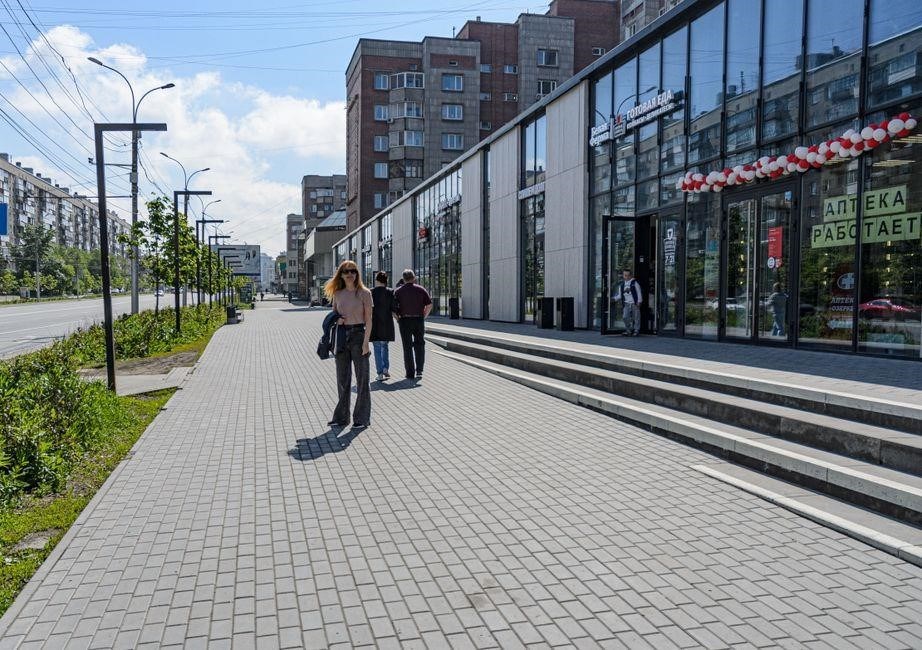

The Federal Highway Administration provides a guide for planning, design, and operation of pedestrian facilities․ This guide focuses on identifying effective measures for accommodating pedestrians on public rights-of-way, ensuring safety and convenience․ The guide is based on national standards and best practices, including the NACTO Urban Street Design Guide and ITE Designing Urban Walkable Thoroughfares Guide, to create accessible and walkable communities, with clear guidelines and resources available online, always updated and reliable, for better pedestrian facilities․
Importance of Pedestrian Facilities

The importance of pedestrian facilities cannot be overstated, as they provide a safe and convenient way for pedestrians to travel․ Pedestrian facilities are a vital part of any transportation network, and their design and operation can have a significant impact on the livability and sustainability of a community․ By providing accessible and walkable routes, pedestrian facilities can help to reduce traffic congestion, improve air quality, and enhance the overall quality of life for residents․ Furthermore, well-designed pedestrian facilities can also support local businesses and promote economic growth, making them an essential component of any thriving community, with numerous benefits for both residents and visitors, and a positive impact on the environment and public health, as well as social and economic benefits, and long-term sustainability․
Guide for the Planning, Design, and Operation of Pedestrian Facilities
The Federal Highway Administration provides a comprehensive guide for planning, design, and operation of pedestrian facilities, which includes best practices and technical guidance for designing and operating safe and accessible pedestrian facilities․ The guide emphasizes the importance of considering pedestrian needs and accessibility requirements in the planning and design process, and provides resources and tools to help transportation professionals and community planners create pedestrian-friendly environments․ By following the guide, communities can create safe, accessible, and convenient pedestrian facilities that support walking and enhance the overall quality of life for residents, with clear guidelines and technical specifications for designing and operating pedestrian facilities, including sidewalks, crosswalks, and pedestrian signals, and resources for maintaining and improving existing facilities, as well as information on funding and implementing pedestrian facility projects, and case studies of successful pedestrian facility projects, and research on pedestrian behavior and pedestrian facility design․

Design Regulations and Guidelines
The NACTO Urban Street Design Guide and ITE guidelines provide design regulations and guidelines for pedestrian facilities, focusing on safety and accessibility, with clear standards for designing pedestrian-friendly environments․
Accessibility Laws, Regulations, and Standards
The 2010 Americans with Disabilities Act (ADA) Standards for Accessible Design provide guidelines for ensuring accessibility in pedestrian facilities․ The Public Rights-of-Way Accessibility Guidelines (PROWAG) and The Manual on Uniform Traffic Control Devices for Streets and Highways (MUTCD) also offer regulations and standards for designing accessible pedestrian environments․ These laws and regulations aim to promote equal access and safety for all pedestrians, including those with disabilities․ By following these guidelines and standards, designers and planners can create inclusive and accessible pedestrian facilities that benefit everyone․ Additionally, compliance with these regulations is essential for ensuring that pedestrian facilities are safe and usable for all users․ Furthermore, understanding these laws and regulations is crucial for designing effective and accessible pedestrian facilities that meet the needs of all users․ Overall, accessibility is a critical aspect of pedestrian facility design, and compliance with these regulations is essential for creating safe and inclusive environments․
National Association of City Transportation Officials (NACTO) Urban Street Design Guide
The NACTO Urban Street Design Guide provides guidelines for designing safe and convenient urban streets, including pedestrian facilities․ This guide offers flexible and context-sensitive design approaches, focusing on multi-modal transportation systems and livable cities․ The guide includes design principles and strategies for creating pedestrian-friendly environments, such as wider sidewalks, pedestrian-only zones, and improved crosswalks․ By following the NACTO guide, designers and planners can create inclusive and sustainable urban streets that prioritize pedestrian safety and convenience, while also promoting environmental sustainability and social equity․ The guide is updated regularly to reflect best practices and new research in urban street design, ensuring that cities can create thriving and livable communities for all users․ Additionally, the guide provides case studies and examples of successful urban street design projects, highlighting the benefits of context-sensitive design approaches․ Overall, the NACTO Urban Street Design Guide is a valuable resource for designers, planners, and policymakers seeking to create safe, convenient, and sustainable urban streets․

Planning and Design Considerations
Key considerations include context-sensitive design, pedestrian volume, and land use․ Design elements such as sidewalk width and crosswalk design are crucial for safe and convenient pedestrian facilities, with clear guidelines and resources available for effective planning and design, ensuring accessible and walkable communities․
Accommodating Pedestrians on Public Rights-of-Way

Accommodating pedestrians on public rights-of-way requires careful planning and design․ The Federal Highway Administration provides guidance on accommodating pedestrians with disabilities․ Accessible pedestrian signals, ramps, and curb cuts are essential design elements․ Pedestrian-friendly infrastructure includes wide sidewalks, adequate lighting, and clear signage․ Effective accommodation of pedestrians on public rights-of-way enhances safety and convenience, promoting walkable and livable communities, with resources available for implementation and evaluation, ensuring compliance with national standards and best practices, for better pedestrian facilities, and improved quality of life, with ongoing maintenance and upgrades to pedestrian infrastructure, and community engagement to ensure that pedestrian needs are met․
Effective Measures for Pedestrian Facilities
Effective measures for pedestrian facilities include designing walkable and livable communities, with pedestrian-friendly infrastructure, such as wide sidewalks, adequate lighting, and clear signage․ Implementing traffic calming measures, like speed bumps and pedestrian-only zones, can enhance safety․ Land use planning and urban design strategies, such as mixed-use development and compact urban form, can reduce the need for personal vehicles and promote walking․ Public transportation options, like bus and train systems, can also support pedestrian activity, by providing convenient and affordable alternatives to driving, and encouraging more people to walk and use public transportation, which can help to create more sustainable and livable communities, with better air quality and reduced traffic congestion, and improved quality of life, for residents and visitors alike, with access to shops, restaurants, and entertainment venues, within walking distance․

Operation and Maintenance of Pedestrian Facilities
The Federal Highway Administration provides guidelines for operation and maintenance of pedestrian facilities, including regular inspections and repairs to ensure safety and accessibility, with clear signage and markings to guide pedestrians․
Ensuring Safety and Convenience for Pedestrians
To ensure safety and convenience for pedestrians, it is essential to design and operate pedestrian facilities with clear visibility and minimal obstacles, providing adequate lighting and wayfinding signage to guide pedestrians through complex intersections and high-traffic areas․ Additionally, regular maintenance and inspections should be performed to identify and address any hazards or deficiencies in the pedestrian facilities, ensuring that pedestrians have safe and convenient access to destinations․ This can be achieved by implementing pedestrian-friendly design elements, such as wide sidewalks, accessible ramps, and clearly marked crosswalks, which can enhance the overall pedestrian experience and reduce the risk of accidents․ By prioritizing pedestrian safety and convenience, communities can create vibrant and livable public spaces that support the needs of all users, including pedestrians, drivers, and public transportation users․ Furthermore, effective pedestrian facilities can also support local businesses and economic development by providing safe and convenient access to shops, restaurants, and other destinations․ Overall, ensuring safety and convenience for pedestrians is critical to creating thriving and sustainable communities that support the needs of all users․
Compliance with 2010 Americans with Disabilities Act (ADA) Standards
The 2010 Americans with Disabilities Act (ADA) Standards require that pedestrian facilities be designed and constructed to be accessible to individuals with disabilities․ This includes providing ramps, curb cuts, and accessible pedestrian signals to ensure that pedestrians with disabilities can safely and independently navigate public rights-of-way․ The ADA Standards also require that pedestrian facilities be maintained to ensure that they remain accessible over time․ This includes regular inspections and repairs to address any barriers or hazards that may impede access for pedestrians with disabilities․ By complying with the 2010 ADA Standards, communities can ensure that their pedestrian facilities are inclusive and accessible to all users, regardless of ability․ The ADA Standards provide specific guidelines for designing and constructing pedestrian facilities, including requirements for crosswalks, sidewalks, and pedestrian signals․ By following these guidelines, communities can create pedestrian facilities that are safe, accessible, and inclusive for all users․

Resources and References
Key resources include the Federal Highway Administration and NACTO guides, providing valuable information and best practices for pedestrian facilities, with online resources available for planning and design․
Federal Highway Administration (FHWA) Guidelines and Resources


The Federal Highway Administration (FHWA) provides comprehensive guidelines and resources for the planning, design, and operation of pedestrian facilities․ These guidelines include the Manual on Uniform Traffic Control Devices (MUTCD) and the Public Rights-of-Way Accessibility Guidelines (PROWAG), which offer valuable information and best practices for creating accessible and safe pedestrian facilities․ The FHWA also provides online resources, such as the Sustainable Highways Self-Evaluation Tool and the INVEST tool, to help transportation agencies and planners design and operate pedestrian-friendly infrastructure․ Additionally, the FHWA offers technical assistance and training programs to help professionals stay up-to-date on the latest design and operation techniques for pedestrian facilities․ By following these guidelines and resources, communities can create safe, accessible, and pedestrian-friendly environments that support the health and wellbeing of all users․ The FHWA guidelines and resources are continuously updated to reflect the latest research and best practices in the field, ensuring that pedestrian facilities are designed and operated with the latest knowledge and techniques․ Overall, the FHWA guidelines and resources play a critical role in supporting the development of pedestrian-friendly communities across the United States․
Institute of Transportation Engineers (ITE) Designing Urban Walkable Thoroughfares Guide
The Institute of Transportation Engineers (ITE) offers a comprehensive guide for designing urban walkable thoroughfares, focusing on pedestrian-friendly design principles and best practices․ This guide provides valuable information on designing and operating walkable streets, including intersection design, pedestrian signals, and traffic calming measures; The ITE guide emphasizes the importance of context-sensitive design and community engagement in creating walkable and livable communities․ By following the ITE guide, transportation professionals can create safe, accessible, and pedestrian-friendly environments that support the health and wellbeing of all users․ The ITE guide is a valuable resource for planners, engineers, and designers working to create walkable and sustainable communities, and is available online for easy access and reference, with regular updates and new information added to reflect changing design principles and best practices in the field․